
GS500: Marking Its Territory One Leak at a Time
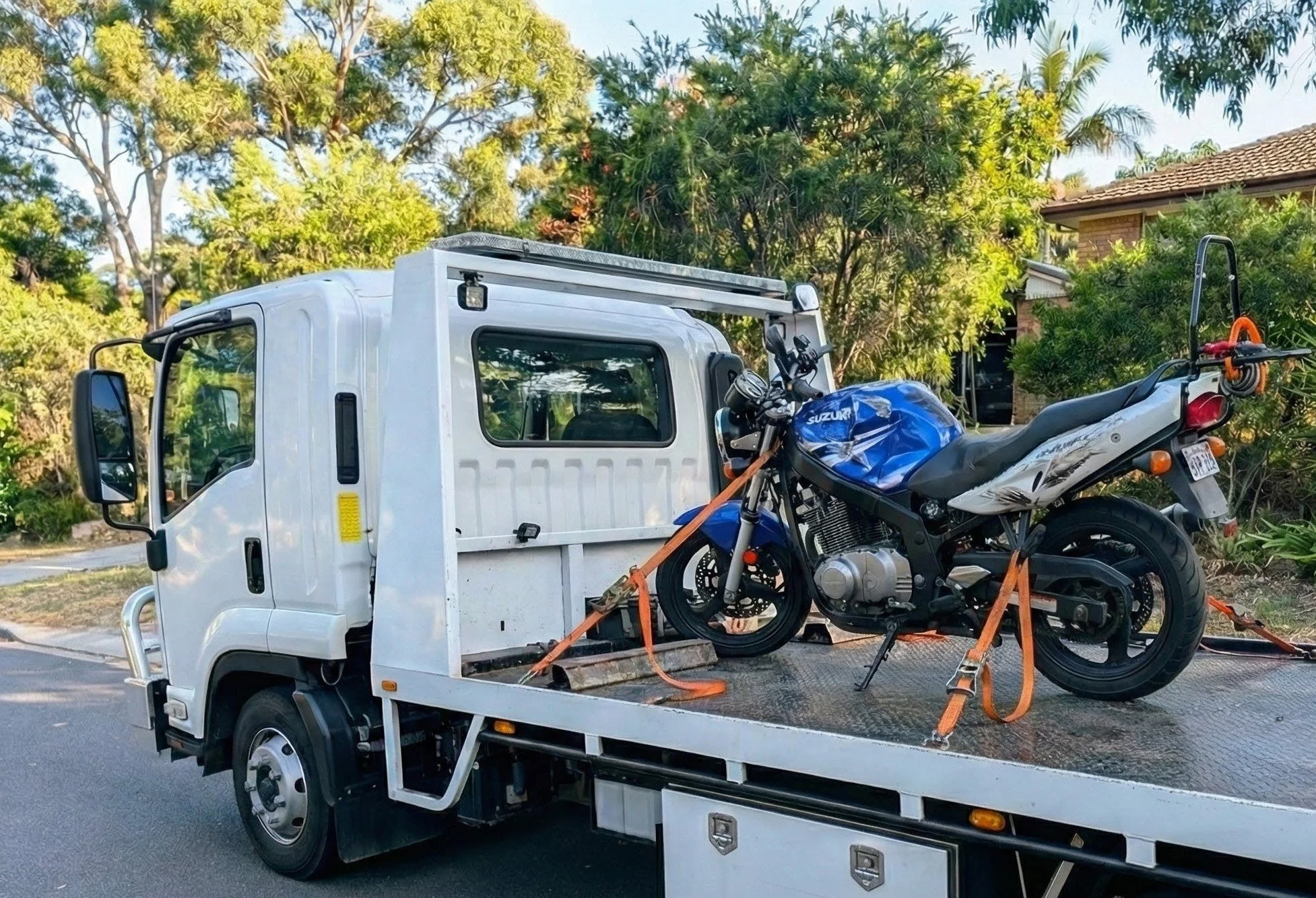
Towing ‘Rusty’ to Garage 50 costed almost as much as the bike itself!
Let’s be completely honest: some project bikes roll into the shop looking like a diamond in the rough. Others roll in looking like they’ve just survived a deep sea oil spill.
My latest patient here at Garage 50, a Suzuki GS500, was definitely the latter! It didn’t just have an oil and coolant leak; it had a complete identity crisis, possible death wish and an allergy to staying in one piece! From the valve cover down to the oil sump, it was marking its territory on my shop floor with the enthusiasm of an untrained puppy (my wife’s cavoodle, Simba comes to mind). It was the kind of mess that makes you question your life choices before you even pick up a wrench.
But that’s exactly why I bought it for a $175. I am in the business of second chances, and beneath a decade of grime and neglect, this GS500 was hiding some incredibly solid bones.
The Diagnosis: Chasing the Weep
When you have a bike leaking from every conceivable seam, you have two choices: Play "whack-a-mole" with a tube of liquid gasket and hope for the best or GO NUCLEAR!!
Because I firmly believe in building and selling good machines that will last for years to come, option one was never really on the table. The gaskets on this 500 hadn't just failed; they had retired, packed their bags, and moved out years ago. Every time I wiped down a casing to trace a leak, another frustrating weep would magically appear! The bike was begging for a complete reset and I was in desperate need of another red bull!
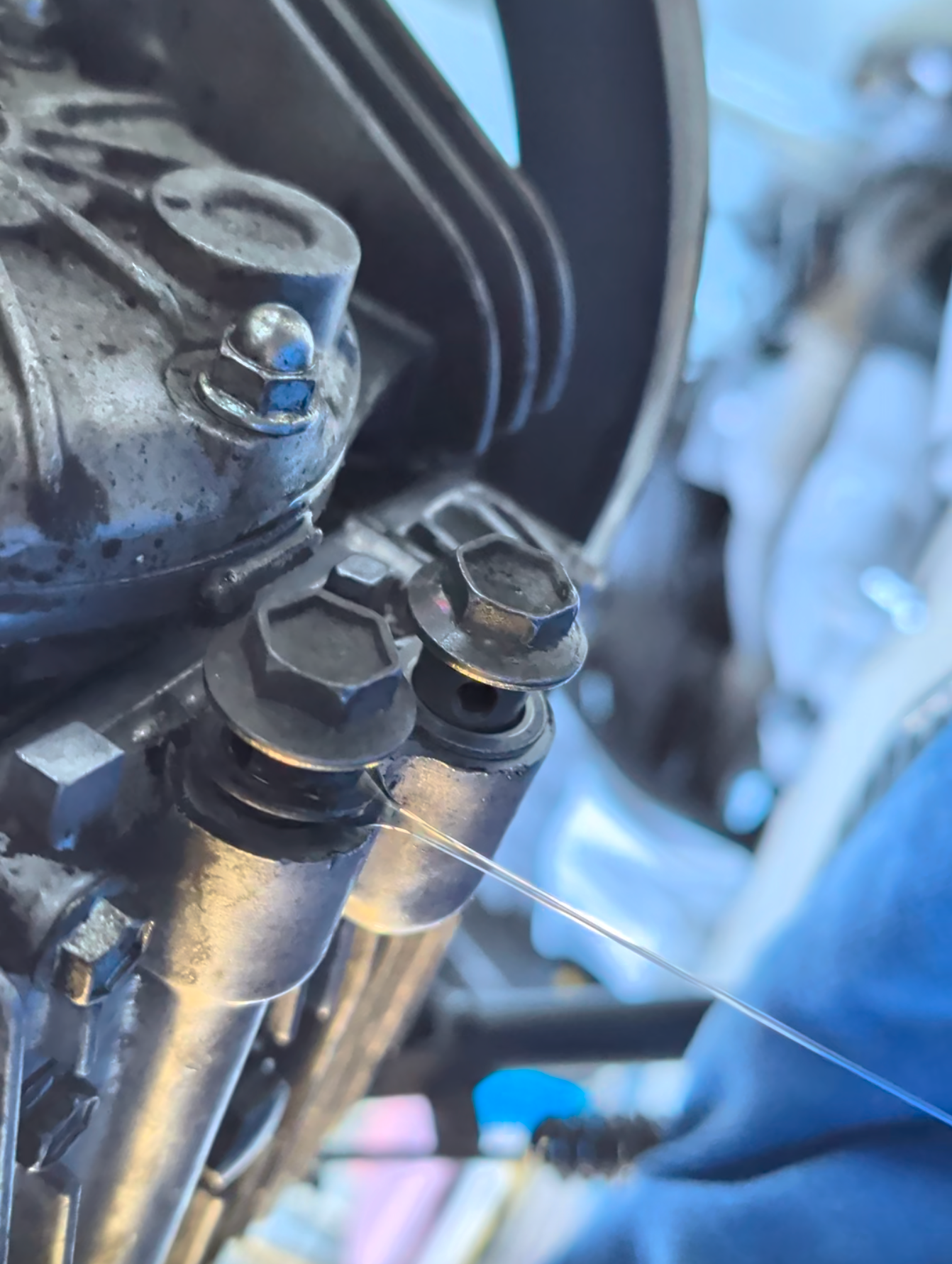
Leaks, leaks…. nothing but leaks! Poor Rusty….
Going Nuclear: The Full Teardown
I decided the only way forward was backwards. So I started pulling it all apart!
There is something therapeutic about tearing a bike down to absolutely nothing. It forces you to get up close and personal with every single bolt, bracket, and botched repair job the previous owners left behind. During this process, I named this bike, RUSTY (for obvious reasons). Rusty had bolts that would spin to no end, stripped plugs and wiring splices that looked like they were done in the dark with a roll of masking tape. It was a mechanical crime scene, but at least I had a prime suspect: twenty years of deferred maintenance!
The Art of Scraping Gaskets (and Knuckles)
Once I wrestled the parallel-twin engine out of the frame and onto the bench, the real "fun" began. If you’ve never had the pleasure of removing heat-baked factory gaskets, let me paint you a picture: it’s the mechanic’s equivalent of chiseling ancient hieroglyphs, only with more swearing and a much higher likelihood of bleeding.
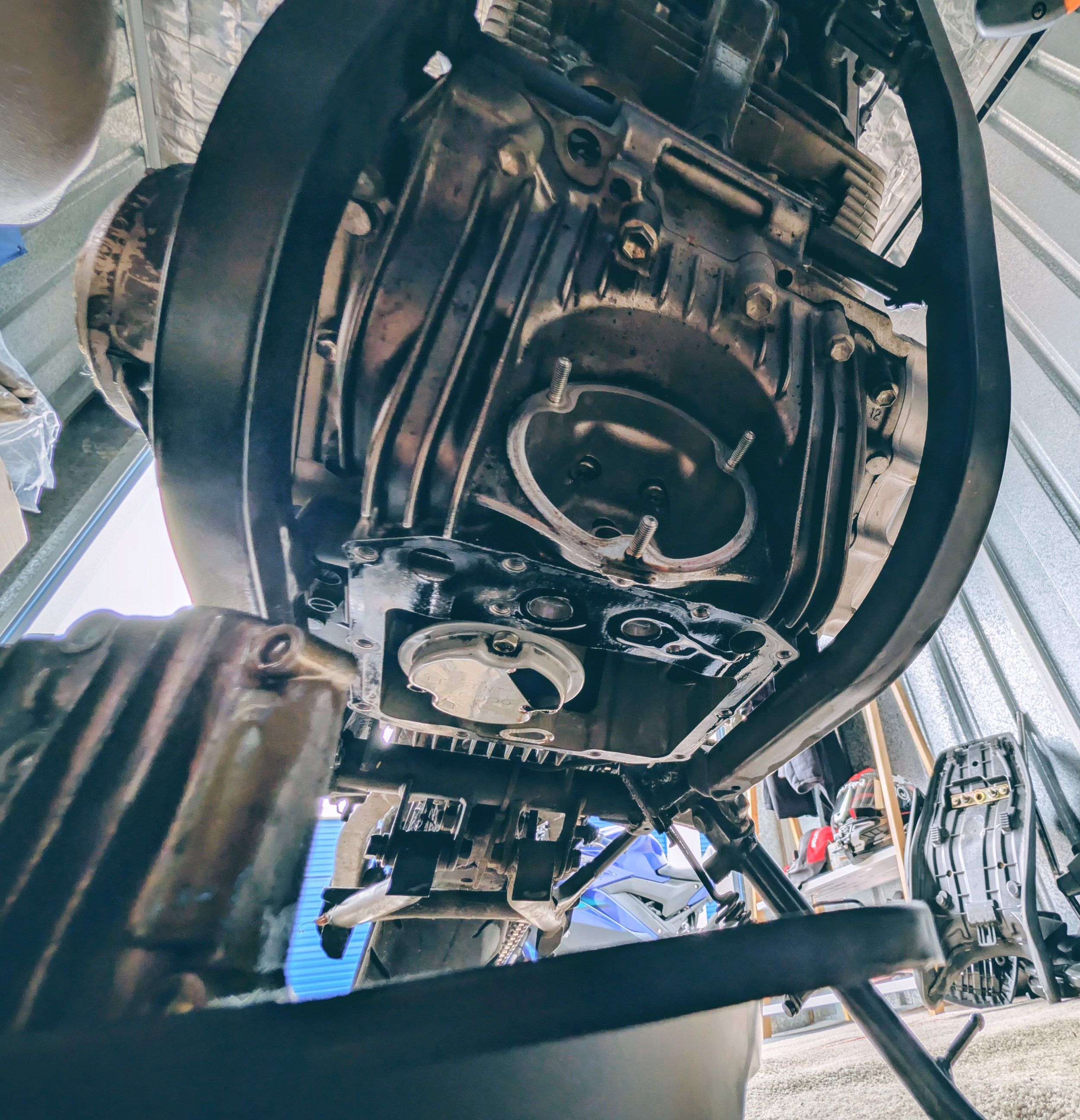
Years of neglect and exposure to the elements meant this gasket had basically fused with the metal. I spent two hours meticulously scraping it off, one agonizing piece at a time, just to get back to a clean surface. The joys of a rebuild!
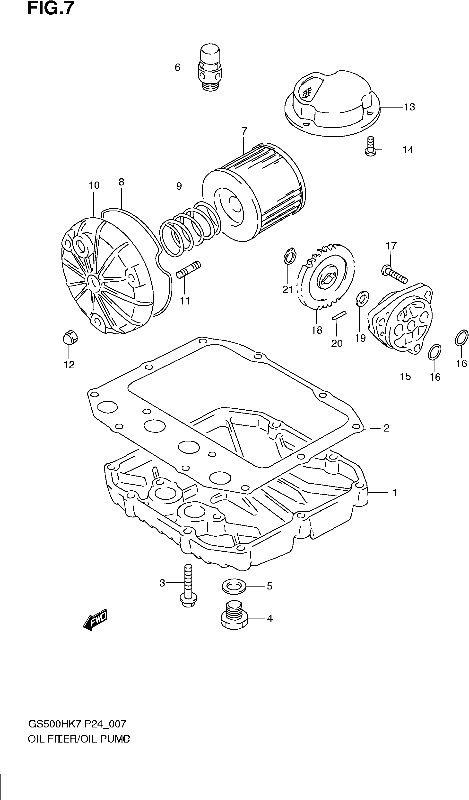
Working through manuals and documentations really helped me better understand what this bike should actually be looking like, compared to the way it was put together by God knows who!?
I attacked the valve cover, the clutch cover, and the stator cover. The GS500 is notorious for weeping from the half-moon seals on the valve cover, and Rusty was no exception. The old rubber had hardened into solid rock. It took a razor blade, a lot of strong degreaser, and endless patience to finally scrape the metal connection points clean and smooth.
Remember Kids: 90% of a good gasket seal is the prep work. The other 10% is crossing your fingers and praying to the Suzuki Gods!
The Reassembly: Torque Specs and Trust Issues
With the engine cases shining like they hadn't since 2008, it was time for reassembly. Out went the crusty old rubber, and in went a comprehensive, high-quality gasket kit.
This is where you must respect the service manual. You don't just “Unagi” the bolts back into soft aluminium engine cases unless you enjoy the sickening feel of threads giving way - a feeling closely followed by uncontrollable weeping (think of Rachel and Ross and the weeping that followed after the “We Were On a Break” episode).
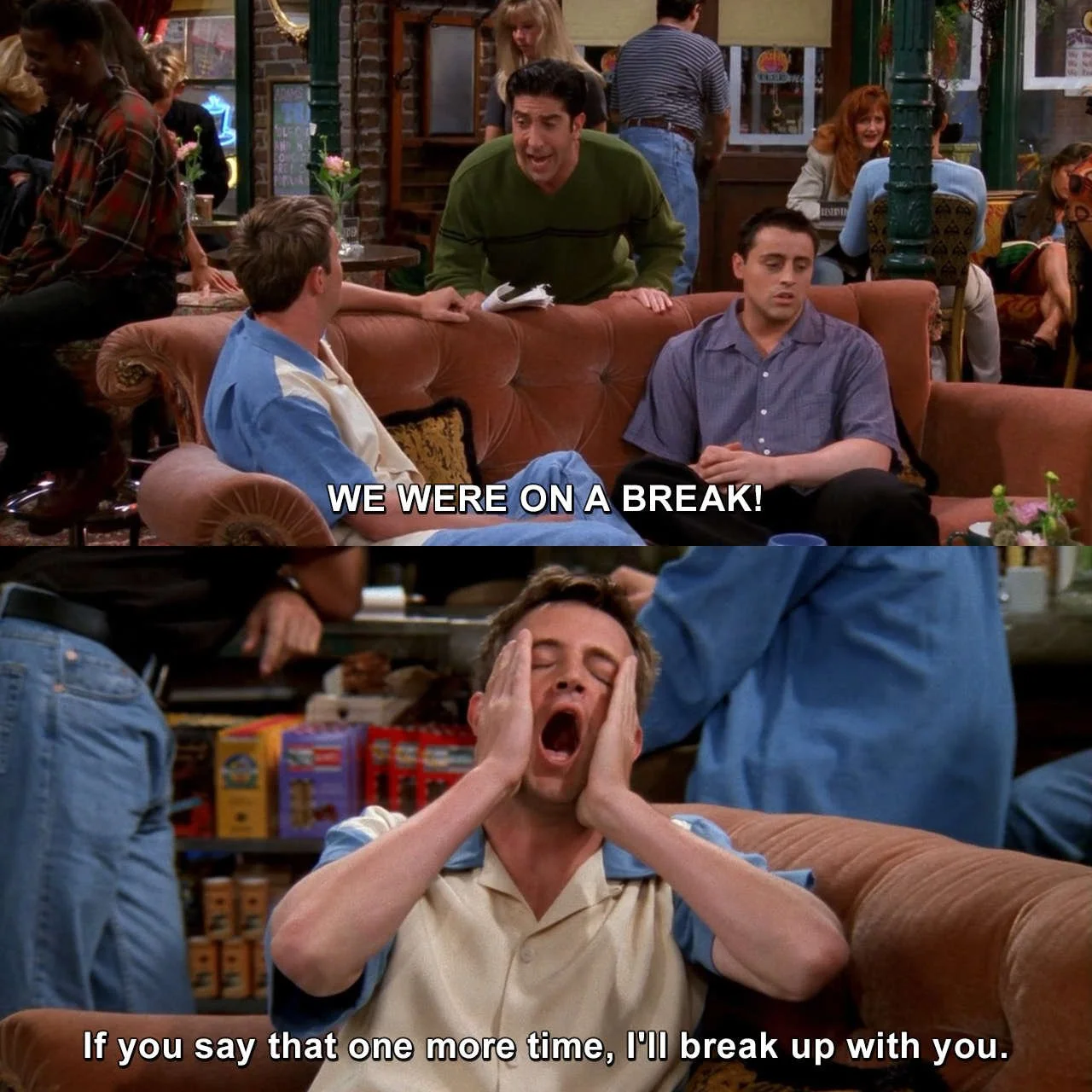
Rusty and I also had our moments… 'break ups were also discussed’!
I broke out the inch-pound torque wrench and meticulously tightened down the clutch and stator covers in a star pattern. I even dabbed a little high-temp RTV sealant on those pesky valve cover half-moons—a necessary evil on this air-cooled twin.
The Moment of Truth
Fast forward through a blur of cursing at motor mounts and wrestling with the exhaust headers as I fitted a brand new Delkevic Full System Exhaust. The engine was bolted back into the frame. I poured in “exactly” 2.9 quarts of fresh 10W-40—a terrifying moment where you hold your breath and pray it doesn't immediately end up on your flashy golden Nike “boots”.
Side Note: I may have poured in a bit more than 2.9 (whoops!)… and was left with the fun task of taking oil out to level things out (sigh)
I wanted to build a cafe racer, not a deep fryer. Siphoning out the results of my own generosity, one milliliter at a time here.
Once that was done, the battery was hooked up, choke on and I hit the starter!
Rusty coughed, sputtered, and then settled into that familiar, tractor-like GS500 idle.
I pulled up a stool, grabbed my flashlight, and waited…..
Five minutes…..
Ten minutes…..
The engine got up to operating temperature (with a lot of white smoke (thanks to me overfilling the oil), but I soon learnt that, that smoke was normal and would eventually disappear - thanks Google!)
Stator cover: Dry.
Base gasket: Bone dry.
Under the valve cover: Nothing but clean aluminum.
Oil Sump: No longer weeping
Rusty was finally firing off on both cylinders and humming nicely!
The Verdict
At the end of the day, Rusty taught me that there are no shortcuts when you’re dealing with decades of neglect. You can either wipe away the symptoms or you can cure the disease. By going nuclear and stripping this parallel-twin back to its bare essentials, I didn't just stop a few leaks; I was able to restore the integrity of a bike that was once headed for wreckage.
The Delkevic exhaust is barking, the gaskets are holding firm, and for the first time in years, this GS500 isn't leaving a trail of its own lifeblood across the pavement (or my shiny Garage 50 floor). While I was looking forward to the cafe racer transformation, plans changed—and Rusty has actually been sold to a new owner!
It’s always a little sad to see a project leave the shop before it's finished (even if it was just cosmetics and looks), but I’m walking away happy knowing it was sent off mechanically sound!
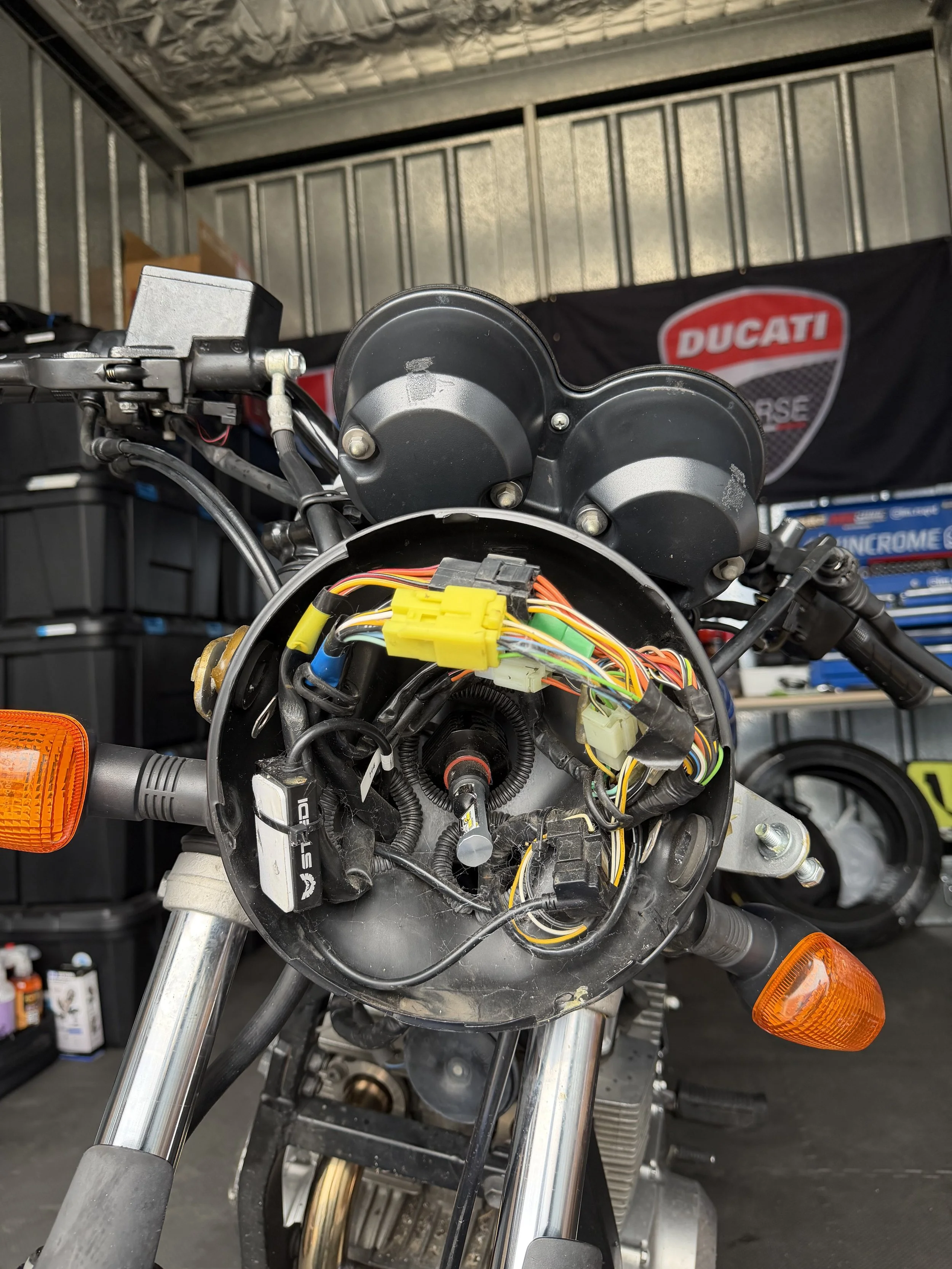
Before selling the bike off, I was able to upgrade the handlebar, grips, levers, tyres and front headlight to make it safer and more roadworthy friendly. My eventual plan was to powder coat this bike black, have the RIMS chrome’d out, change the indicators to minimal (legal) black clip ons and flatten the frame in the back to make it a true cafe racer.
At Garage 50, I’m in the business of second chances, and I’m proud that I could take this $175 wreck and turn it back into a reliable machine that’s ready for the road again.
Rusty may be gone, but my shop floor is finally dry, and there's already another project waiting for its turn under the spotlight.
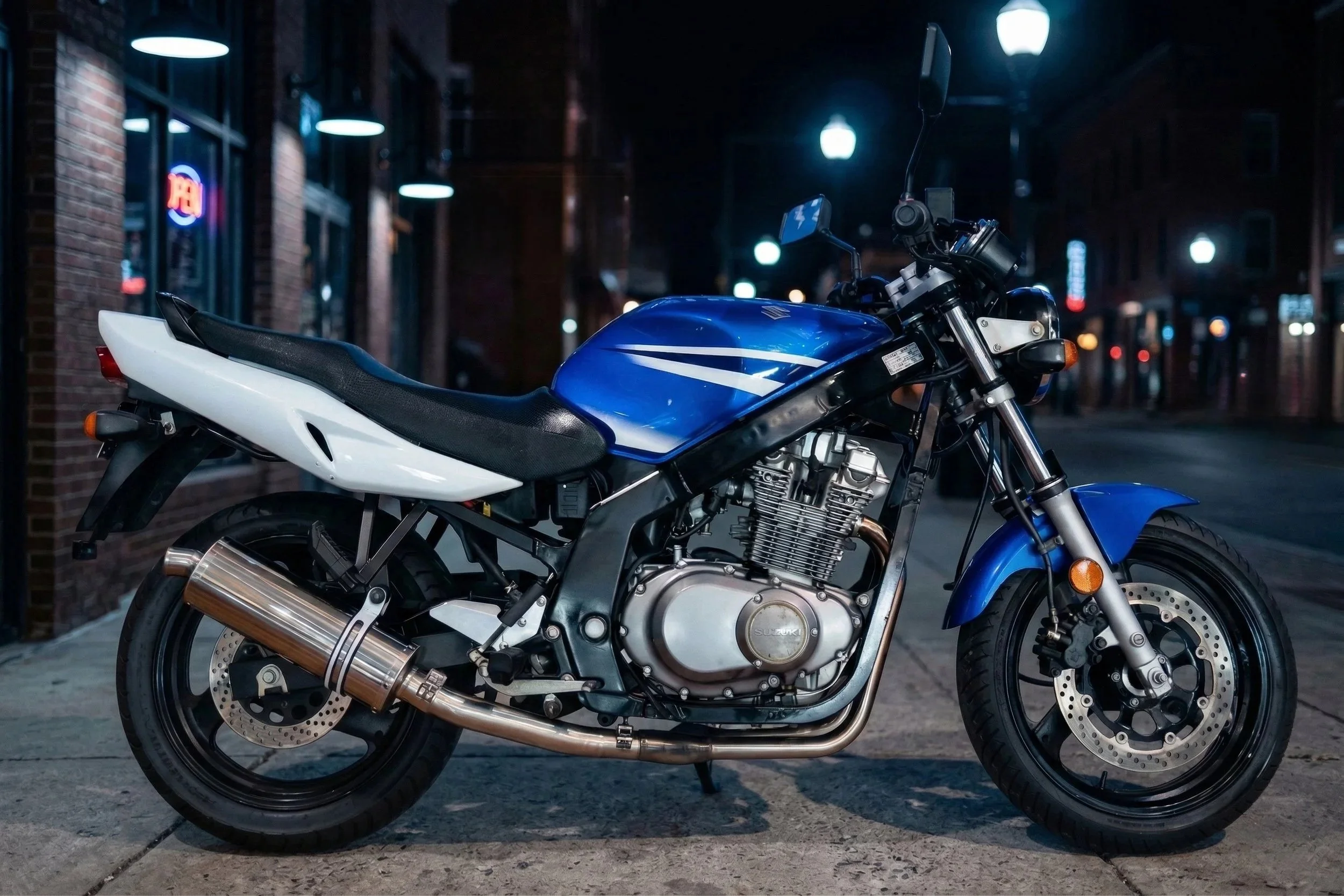
Rusty no more!